What is a sales funnel, in plain words?
Picture 1,000 people who see an ad. Some tap it. Fewer scroll the page. Fewer still add to cart, and a smaller group pays. Drawn as a chart, that shrinking crowd looks like a funnel.
The idea is old, but it is useful because it turns “sales are low” into a sharper question: at which step do people leave? A store with a great product page and a confusing checkout has a different problem from one with a weak ad.
An ecommerce sales funnel is the same idea applied to an online store. Its steps are pages and taps you can screenshot, which is exactly what our ecommerce sales funnel examples do.
What are the stages of an ecommerce sales funnel?
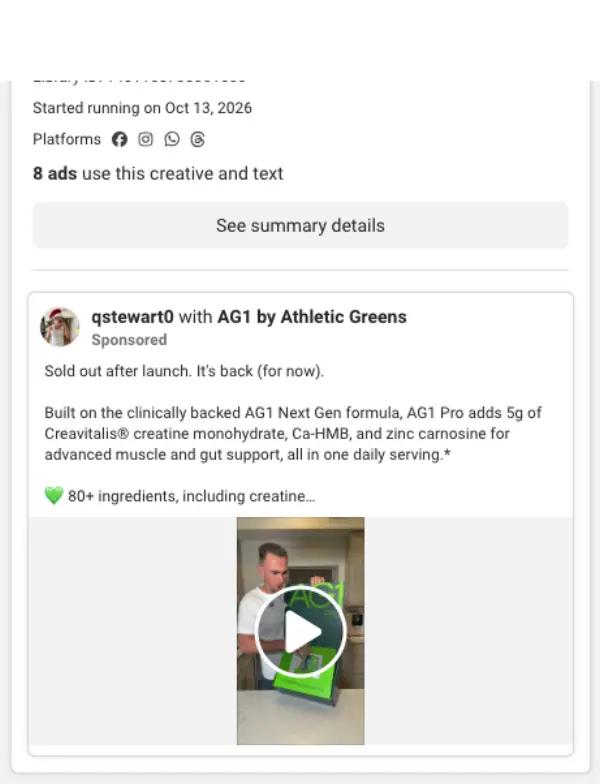
- The ad. The first promise. For example, AG1's creator ad sells AG1 Pro and its creatine.
- The landing page. The first page after the tap. It might be the homepage, a page built for the ad, or the product page itself.
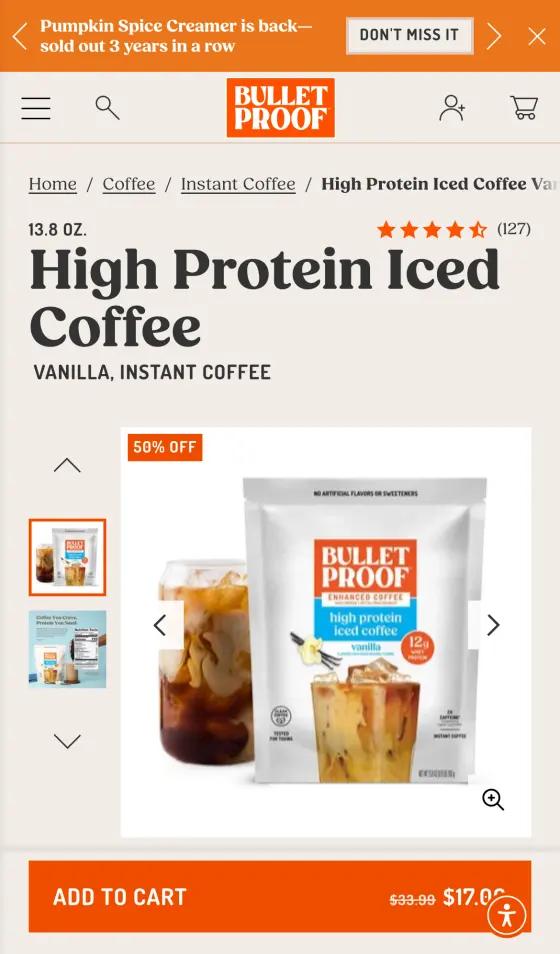
- The product page. Where the shopper picks a size, plan or shade and taps “add to cart.”
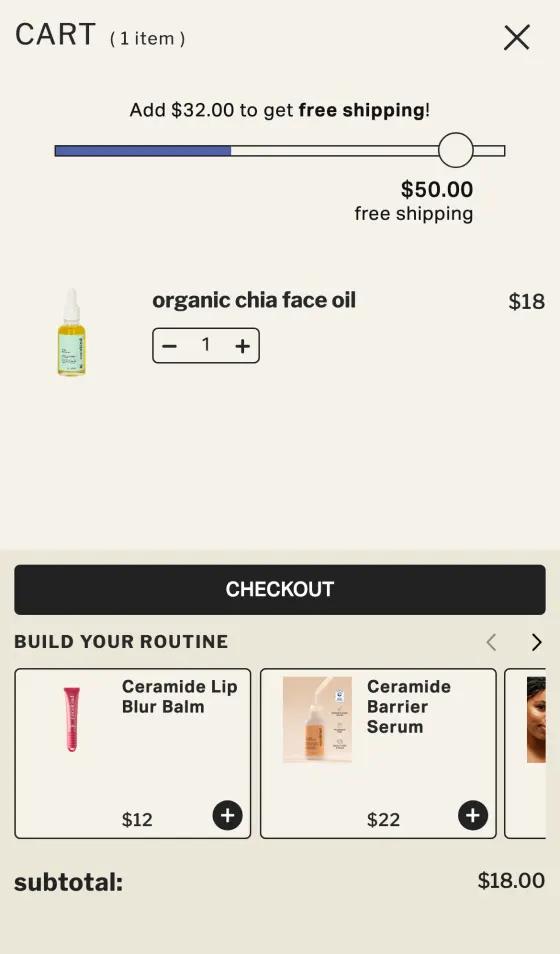
- The cart. A drawer or page confirming what was added, often with a free-shipping bar or add-on suggestions.
- Checkout. Contact, delivery and payment. Wallet buttons such as Shop Pay or PayPal shorten it.
- Follow-up. Anything that earns a second chance, such as an email signup or a subscription.
What does a good sales funnel look like?
Across the six funnels we scored, the same habits kept separating the strong steps from the weak ones.
| Stage | Habit | Real example |
|---|---|---|
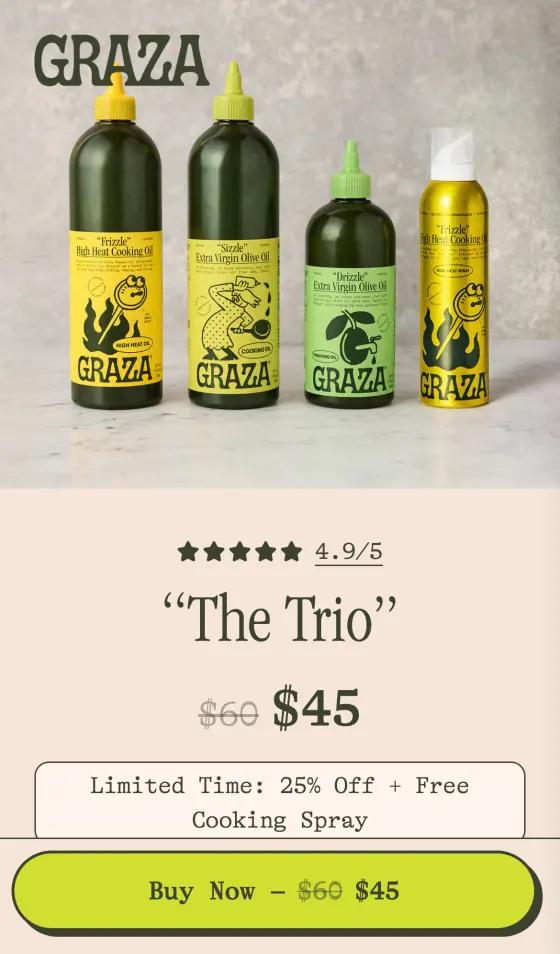
| Landing page | Repeat the ad's promise on the first screen | Graza: ad and page both say 25% off |
| Product page | Price, rating and a pinned buy button together | Bulletproof: all on screen one |
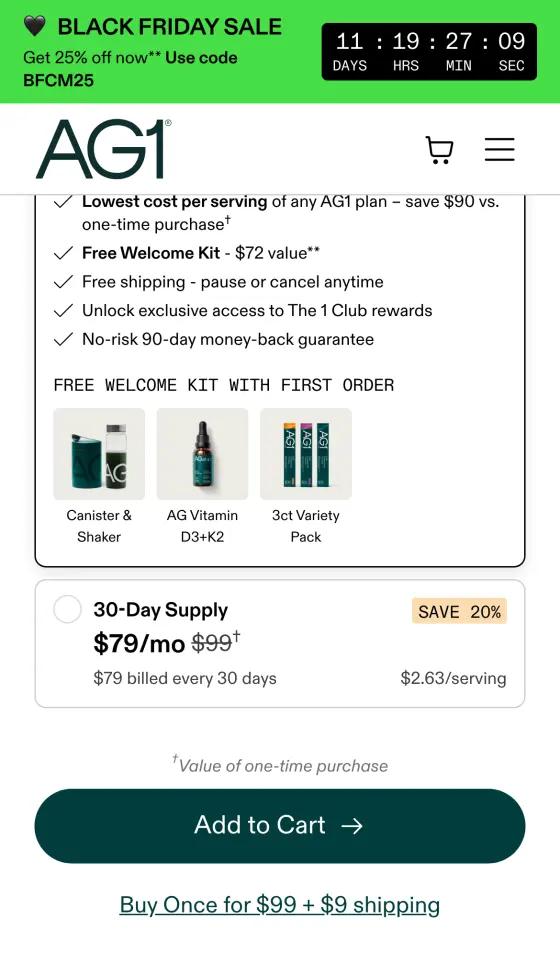
| Cart | Label every saving so the total adds up | AG1: "Total savings $72.00" |
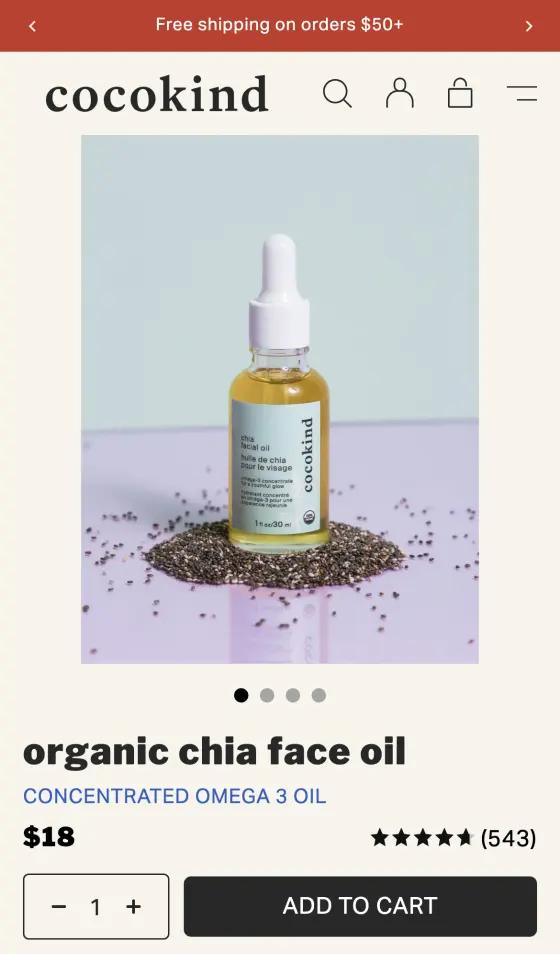
| Follow-up | Ask for one field, offer one fixed reward | Cocokind: email for 10% off |
How do you build a sales funnel for an online store?
- Pick one product and one promise. A funnel sells one thing well before it sells many things.
- Decide where the ad lands. Simple, cheap products can go straight to the product page. Products that need explaining deserve their own landing page.
- Put price, proof and the button on the first screen. Pin the button on phones.
- Make the cart confirm and reassure. Show what was added, what was saved, and how far the buyer is from free shipping.
- Keep checkout within two taps of “add to cart,” with wallet buttons at the top.
- Add one honest follow-up. An email offer after the visitor scrolls, or a subscription for products people run out of.
You don't need special software for most of this. A Shopify store already has the product page, cart and checkout. For ad landing pages, page builders such as Unbounce, Shogun or Replo let you build and test versions without a developer. Pick whichever lets you change one thing and compare quickly.
For more detail on which landing page style fits which product, see our landing page funnel examples.
How do you measure a sales funnel?
Count how many people reach each step, then divide by the step before. If 1,000 people land and 400 reach the product page, that step keeps 40%. Those numbers are an illustration, not a benchmark.
Shopify's analytics and most ad platforms report these counts. Look for the step that loses the most people relative to the others, and fix that one first.
When you can't see the numbers, as with a competitor's funnel, score what a shopper can see instead. That is what our funnel scoring rubric does.
Sales funnel FAQ
What are the stages of a sales funnel?
The classic model has three: awareness, consideration and purchase. For an online store we split the paid path into six steps you can see: ad, landing page, product page, cart, checkout and follow-up.
Is a sales funnel the same as a marketing funnel?
They overlap. A marketing funnel usually means the whole journey, including content and social. A sales funnel usually means the narrower path that ends in a purchase.
Do I need special software to build a sales funnel?
No. A Shopify store already has a product page, cart and checkout. Funnel tools help you build extra pages, such as ad landing pages, and test versions of them.
What is a good sales funnel conversion rate?
It depends heavily on product, price and traffic. We don't publish benchmark rates because we can't verify them. Measure your own funnel step by step and improve the weakest step first.